
Bright Eyes for the New Term: Mindful Vision Checks for a Confident, Screen-Smart School Year in Palo Alto

Bright Eyes for the New Term: Mindful Vision Checks for a Confident, Screen-Smart School Year in Palo Alto

Bright Eyes for the New Term: Mindful Vision Checks for a Confident, Screen-Smart School Year in Palo Alto

Bright Eyes for the New Term: Mindful Vision Checks for a Confident, Screen-Smart School Year in Palo Alto

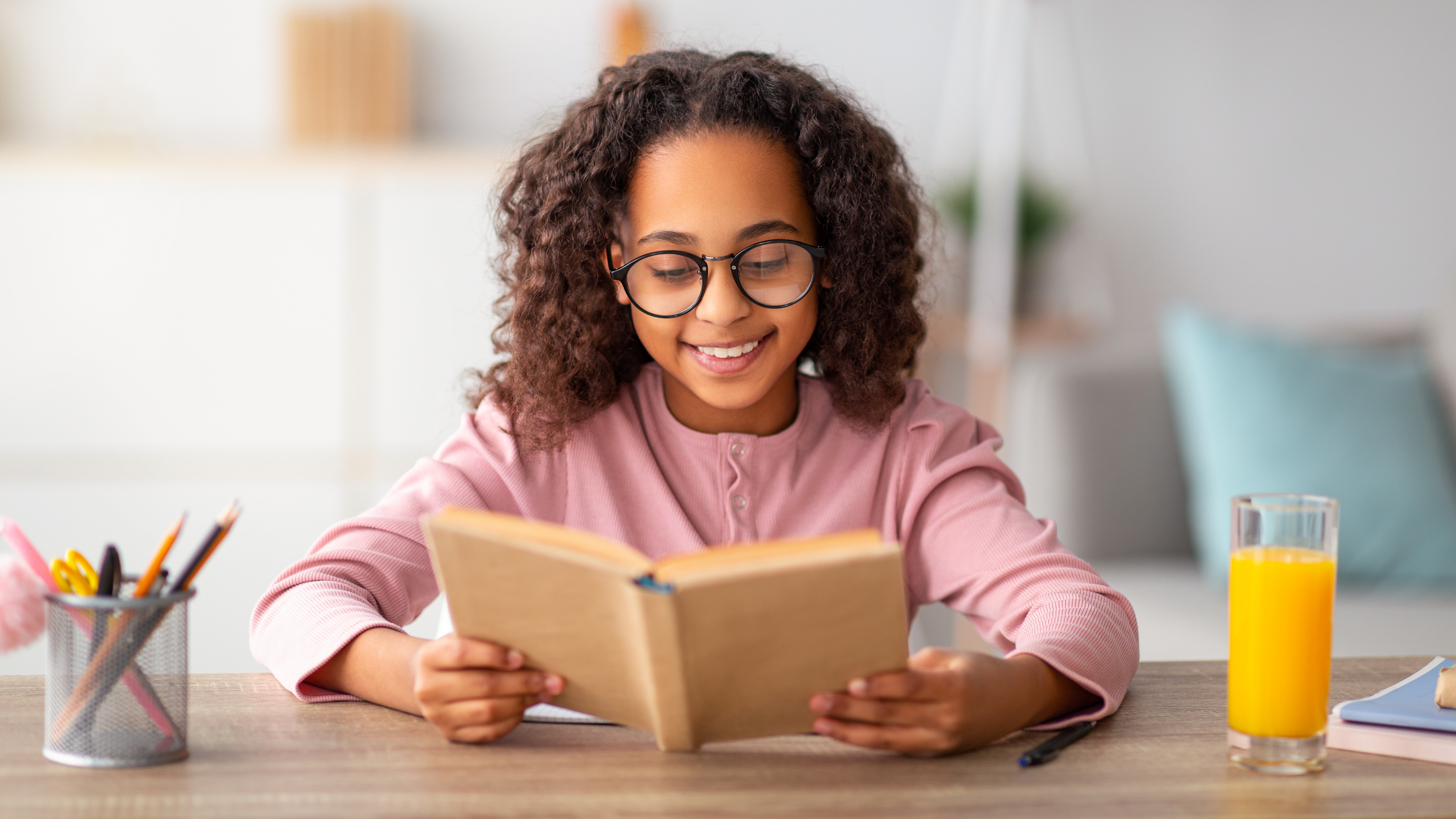
As a new school term begins, students in Palo Alto are shifting back to longer days of reading, classroom presentations, homework, tablets, and laptops. Clear vision is essential, but comfortable learning also depends on focusing, tracking, eye coordination, and healthy screen habits.
At Palo Alto Eyes Optometry, we provide comprehensive pediatric eye care designed to evaluate more than how clearly a child can read an eye chart. Our pediatric exams assess visual development, eye health, focusing, tracking, depth perception, and how effectively the eyes work together.
Why Back-to-School Vision Checks Matter
Children may not always recognize when something about their vision is making school harder. If blurry distance vision, focusing difficulties, or eye coordination problems have always felt normal, a student may simply adapt.
Once school starts, increased visual demands can make these issues more noticeable. Reading small print, copying information from the board, switching between a laptop and distant objects, and completing homework can require sustained visual effort.
A comprehensive eye exam before or early in the school year gives Palo Alto parents an opportunity to identify concerns before they begin interfering with classroom comfort or confidence.
Signs Your Child May Be Struggling Visually
Vision problems can sometimes appear as changes in behavior rather than direct complaints about eyesight. Parents may want to watch for:
- Squinting to see classroom boards or distant objects
- Holding books, phones, or tablets unusually close
- Headaches after reading or screen use
- Losing their place while reading
- Frequent eye rubbing or tired eyes
- Difficulty maintaining focus during homework
- Blurry vision when shifting between near and far distances
Palo Alto Eyes Optometry notes that pediatric eye exams can identify refractive errors as well as concerns involving visual tracking, focusing, eye coordination, and depth perception.
Why a School Screening May Not Be Enough
School vision screenings can be useful for identifying certain eyesight problems, especially reduced distance vision. However, passing a screening does not necessarily mean every visual skill needed for learning is working properly.
A comprehensive pediatric eye exam evaluates a broader range of functions. It can assess whether both eyes work together effectively, whether the child can maintain focus during close work, and whether underlying eye health issues need attention.
Palo Alto Eyes Optometry recommends ongoing comprehensive eye care throughout the school years, even for children who do not have obvious symptoms.
Make Screen Time More Comfortable
Digital devices are now part of both school and home life. Extended near work can contribute to digital eye strain, particularly when children take few breaks or spend long periods concentrating at one distance.
Symptoms may include blurry vision, tired eyes, headaches, dryness, or difficulty refocusing after looking away from a screen. Palo Alto Eyes Optometry notes that reduced blinking, focusing fatigue, dry eye, uncorrected astigmatism, and an outdated prescription can all contribute to screen-related discomfort.
Encourage children to look away from close work regularly, blink fully, maintain a comfortable screen distance, and avoid using screens in poorly lit environments. Outdoor time can also provide a useful break from sustained near focus.
Watch for Changing Nearsightedness
The school years are also an important time to monitor myopia, or nearsightedness. Children with myopia may see books and screens clearly while struggling to see distant classroom boards or signs.
If a child's prescription continues becoming stronger, myopia management may be worth discussing. Palo Alto Eyes Optometry offers myopia progression control, including orthokeratology and other myopia management services, for appropriate patients.
Give your student a clearer, more comfortable start to the new term by scheduling a comprehensive pediatric eye exam with Palo Alto Eyes Optometry at 540 University Ave, Suite 110, Palo Alto, CA 94301, or call (650) 321-2015 to make sure their vision is ready for a confident, screen-smart school year.


© 2026 Palo Alto Eyes Optometry | All Rights Reserved | Accessibility Statement | Privacy Policy | Sitemap
Powered by

