
How Diabetes Affects Your Eyes and Why Exams Matter

How Diabetes Affects Your Eyes and Why Exams Matter

How Diabetes Affects Your Eyes and Why Exams Matter

How Diabetes Affects Your Eyes and Why Exams Matter

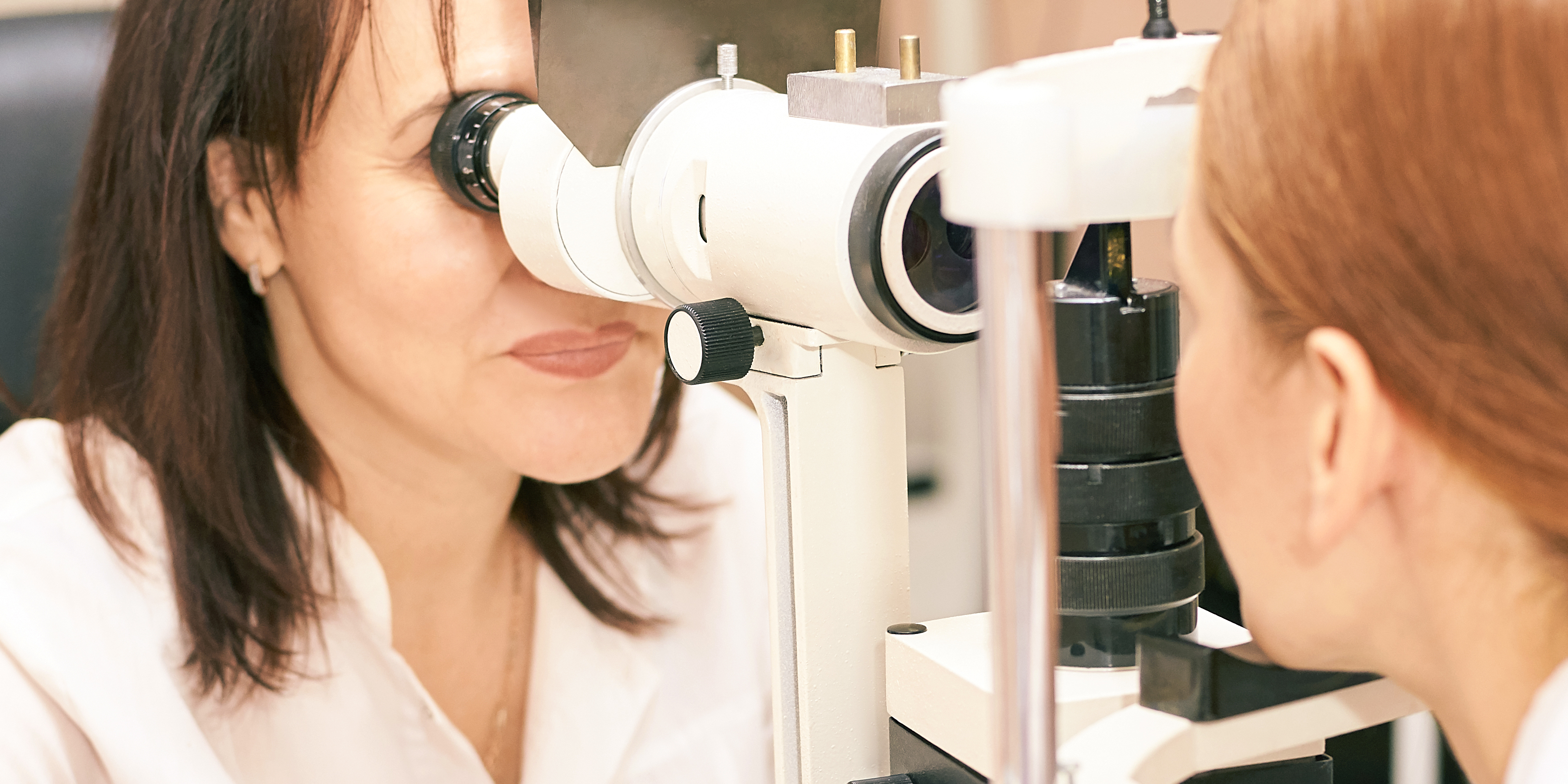
Diabetes affects the tiny blood vessels and nerves throughout the body, including the retina and optic nerve. Over time, high blood sugar can weaken these delicate structures, increasing the risk of diabetic eye disease and gradual vision loss. The challenge is that early damage often has no obvious symptoms, so problems can progress quietly until vision changes become harder to treat.
Common Eye Problems Linked to Diabetes
Diabetes can contribute to several eye conditions, and more than one can happen at the same time. Diabetic retinopathy is the best-known risk, caused by blood vessel changes in the retina. Diabetes also raises the likelihood of diabetic macular edema (swelling in the central retina), cataracts, and glaucoma.
Why Vision Can Seem “Off” Even When Your Prescription Hasn’t Changed
Blood sugar fluctuations can temporarily change how the eye focuses, leading to blurry vision that comes and goes. You might notice difficulty with screens, reading, or night driving, then feel like it improves. Because these shifts can mask or mimic other issues, it is important to avoid “chasing” a new glasses prescription without checking overall eye health, especially if you have diabetes.
Signs You Should Schedule an Eye Exam Soon
Some symptoms may signal changes that deserve prompt attention. If you have diabetes and notice any of the following, it is smart to book a comprehensive eye exam in Palo Alto:
- New or worsening blur, floaters, flashing lights, dark spots, or trouble seeing at night
- Vision that changes quickly over days or weeks
- Sudden loss of vision in one or both eyes
- Eye pressure, eye pain, or frequent headaches with visual strain
Why Dilated Exams Matter for Diabetes
A dilated, comprehensive eye exam allows your eye doctor to evaluate the retina in detail and look for early signs of diabetic retinopathy and related changes before they affect daily vision. This is especially important because diabetic eye disease may not cause symptoms at first. If changes are found early, your eye doctor can monitor them closely and coordinate care when needed.
How Often Do People with Diabetes Need Eye Exams?
Many people benefit from at least annual dilated eye exams, but timing can vary based on diabetes type and what your doctor sees during your visit. The American Diabetes Association notes:
- Type 2 diabetes: an initial dilated eye exam soon after diagnosis
- Type 1 diabetes: an initial dilated eye exam within 5 years of diagnosis
- Follow-ups: typically yearly, and in some cases every 1-2 years if prior exams show no retinopathy and blood sugar is well controlled
- Pregnancy: an eye exam before pregnancy when possible, then within the first trimester, with additional monitoring as recommended
If you have diabetes, stay ahead of vision changes and schedule a diabetic eye exam at Palo Alto Eyes Optometry. Visit our office in Palo Alto, California, or call (650) 321-2015 today


© 2026 Palo Alto Eyes Optometry | All Rights Reserved | Accessibility Statement | Privacy Policy | Sitemap
Powered by

