
How InfantSEE® Helps Ensure Your Child’s Eyes Are Developing Normally

How InfantSEE® Helps Ensure Your Child’s Eyes Are Developing Normally

How InfantSEE® Helps Ensure Your Child’s Eyes Are Developing Normally

How InfantSEE® Helps Ensure Your Child’s Eyes Are Developing Normally

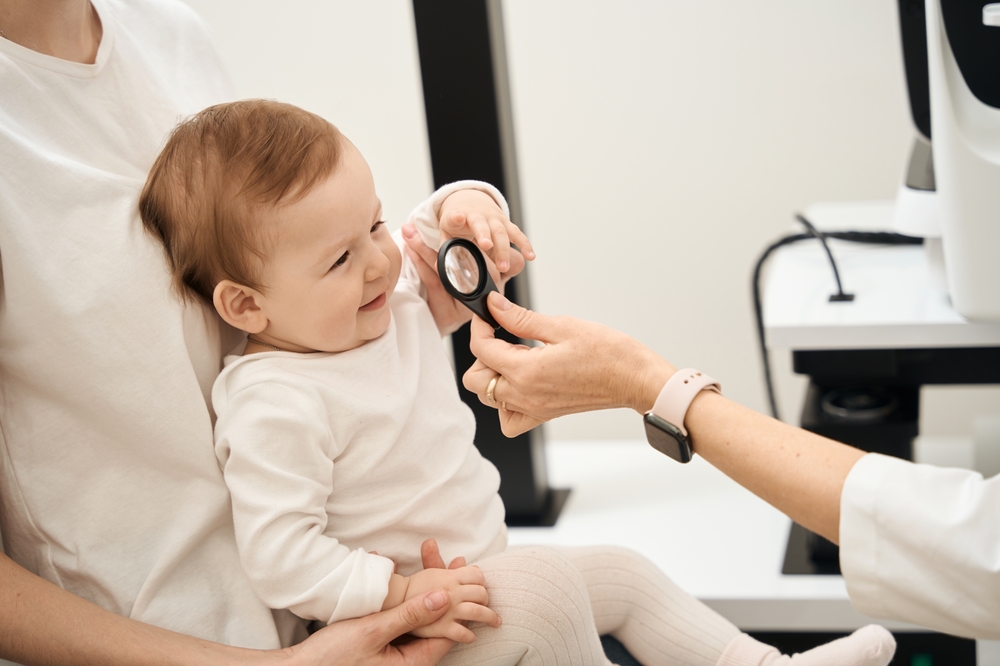
Your baby’s eyes and visual system develop quickly during the first year of life. Even when everything seems normal, some vision issues can be easy to miss because infants cannot tell us what they see. InfantSEE® gives us an opportunity to evaluate early eye development and identify concerns before they affect learning, comfort, or long-term visual function. A child’s vision supports how they explore faces, track movement, reach for objects, and respond to the world around them. If the eyes are not working together properly or visual development is delayed, it can affect more than sight alone. Early evaluation helps us confirm whether your child’s eyes are developing as expected and whether additional monitoring is needed. InfantSEE® is intended to assess eye health and visual development during infancy, often around six months of age. This visit allows us to look for issues that may not be obvious at home, including focusing problems, eye alignment concerns, and signs of early eye disease. It is a simple step that can give parents peace of mind while helping us establish a healthy starting point for lifelong vision care. Many parents assume that if a baby reacts to light, follows movement, or makes eye contact, vision is developing normally. Those are positive signs, but they do not rule out all concerns. Some eye conditions develop quietly and may not become noticeable until they are harder to correct. That is why an early comprehensive eye assessment can be so valuable. While some infants show no obvious symptoms, there are a few signs that may suggest your child needs an eye evaluation sooner: When we evaluate vision early, we can monitor development over time and respond quickly if something changes. Early detection often makes treatment more effective and may help prevent a small issue from becoming a larger one. InfantSEE® also helps us guide parents on when to schedule future pediatric eye exams so their child stays on track as visual demands grow. Basic screenings can be helpful, but they do not replace a full eye exam. A more complete infant eye evaluation allows us to assess eye health, visual function, and development in greater detail. That makes InfantSEE® an important part of preventive pediatric eye care for families who want a clearer picture of how their child’s eyes are growing and functioning. Contact Palo Alto Eyes Optometry in Palo Alto, CA by calling (650) 321-2015 to schedule your child’s visit and make sure their vision is developing the way it should.
Why Early Eye Development Matters
What InfantSEE® Is Designed To Do
Some Vision Problems Are Easy To Miss
Signs Parents Should Watch For
How InfantSEE® Supports Long-Term Vision Health
A Better Look Than A Basic Screening


© 2026 Palo Alto Eyes Optometry | All Rights Reserved | Accessibility Statement | Privacy Policy | Sitemap
Powered by

