Ortho-K for Palo Alto Students: Clear Sight for Fall Sports Without Daytime Contacts

Ortho-K for Palo Alto Students: Clear Sight for Fall Sports Without Daytime Contacts

Ortho-K for Palo Alto Students: Clear Sight for Fall Sports Without Daytime Contacts

Ortho-K for Palo Alto Students: Clear Sight for Fall Sports Without Daytime Contacts

Fall sports can make glasses and daytime contact lenses feel inconvenient for active students. Frames may slip during practice, interfere with helmets, or become uncomfortable during fast movement, while soft contacts can dry out during long outdoor activities.
At Palo Alto Eyes Optometry, we offer Ortho-K for children and teens who want clear daytime vision without relying on glasses or traditional contacts. Ortho-K can also be used as part of a myopia management plan for students whose nearsightedness continues to progress.
How Does Ortho-K Work?
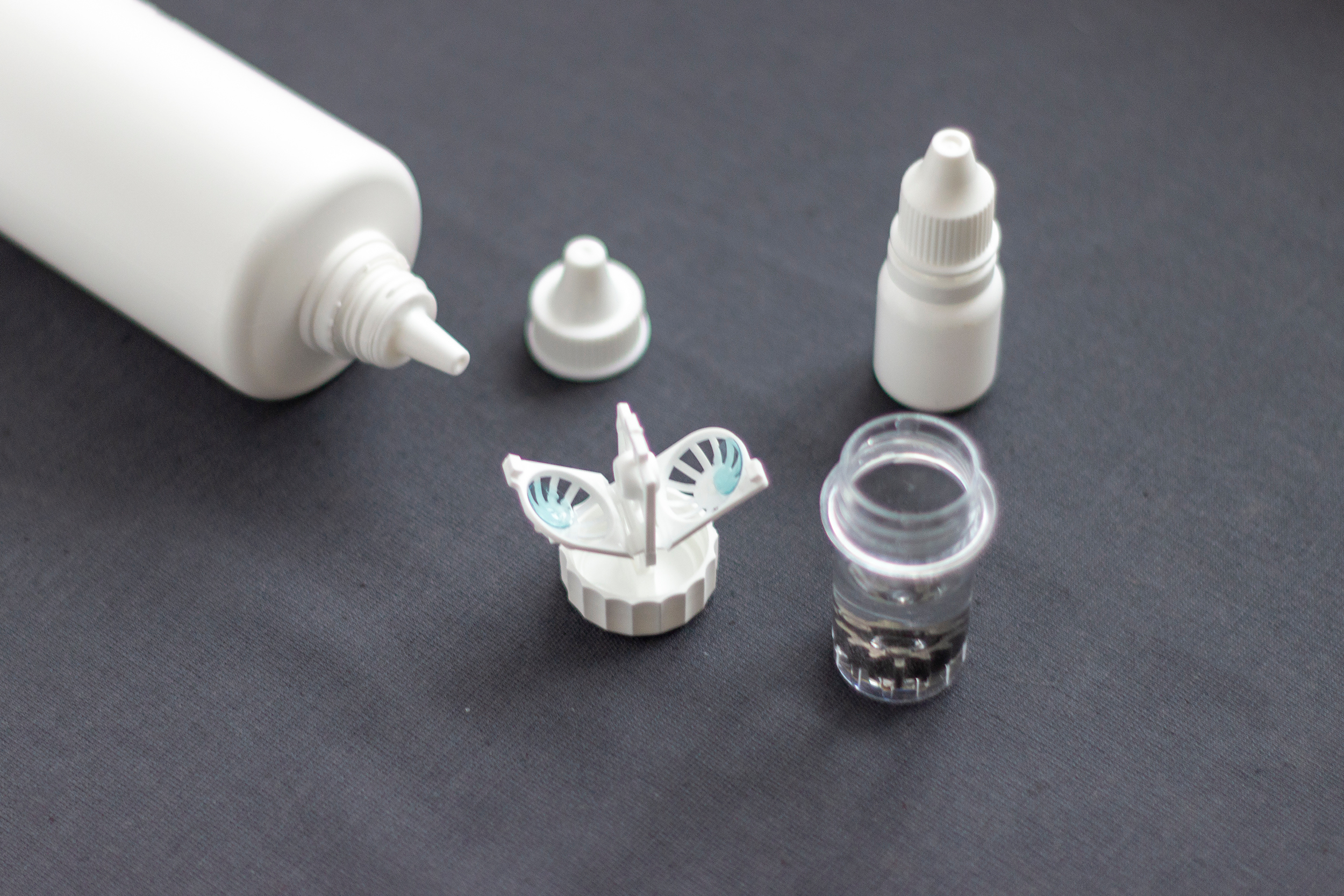
Orthokeratology, commonly called Ortho-K, uses specially designed rigid gas permeable lenses worn overnight.
While your child sleeps, the lenses gently and temporarily reshape the front surface of the cornea. After removing the lenses in the morning, many patients can see clearly throughout the day without glasses or daytime contacts.
The effect is temporary and reversible. Wearing the lenses consistently according to the prescribed schedule is necessary to maintain the daytime vision correction.
Why Is Ortho-K Convenient for Student Athletes?
Clear vision without daytime contacts can simplify sports participation for Palo Alto students.
Potential benefits include:
No glasses slipping during running or quick movements
Less interference between frames and helmets
No daytime contacts drying out during long practices
Clear vision for many school and outdoor activities
Less concern about breaking glasses during competition
Myopia management benefits for appropriate children
Students involved in soccer, basketball, baseball, volleyball, swimming, track, or other activities may especially appreciate the freedom from daytime corrective eyewear.
Ortho-K does not replace protective sports eyewear when eye protection is recommended for a particular sport.
Can Ortho-K Slow Childhood Myopia?
Ortho-K does more than temporarily correct blurry distance vision. It can also help slow the progression of myopia in many children.
Myopia often increases as a child's eyes continue growing. Ortho-K creates a specialized optical effect that can help reduce excessive axial eye growth over time.
This matters because higher levels of myopia are associated with greater lifetime risks of certain eye conditions. Slowing progression during childhood may help reduce how nearsighted a child ultimately becomes.
No myopia control treatment completely stops progression in every patient, so ongoing monitoring remains important.
Who Is a Good Candidate?
Ortho-K may be appropriate for children and teens with nearsightedness who are healthy enough for overnight contact lens wear and able to follow proper lens care.
At Palo Alto Eyes Optometry, candidacy depends on the child's prescription, corneal shape, eye health, lifestyle, and myopia progression.
Dr. Thazin Aung is certified in Orthokeratology and uses Ortho-K as one option for helping reduce myopia progression in younger patients.
What Does the Fitting Process Involve?
Ortho-K requires more precise customization than standard soft contact lenses. Measurements of the corneal surface help us select or design lenses that fit the individual eye properly.
After treatment begins, follow-up visits allow us to monitor vision, lens fit, corneal health, and myopia progression. Some students notice significant daytime vision improvement quickly, while others need additional time or lens adjustments.
Good hygiene is essential because Ortho-K lenses are worn during sleep. Children and parents should carefully follow instructions for handwashing, cleaning, disinfection, storage, and replacement.
Make Fall Sports Easier to See Clearly
For students balancing school, homework, and athletics, Ortho-K can provide the convenience of clear daytime vision without managing glasses or soft contacts during practices and games. Palo Alto Eyes Optometry also offers sports eyewear when additional eye protection is appropriate.
If your child is nearsighted and wants more freedom from daytime glasses or contacts during fall sports, schedule an Ortho-K evaluation with Palo Alto Eyes Optometry at 540 University Ave., Suite 110, Palo Alto, CA 94301 by calling (650) 321-2015. We can determine whether Ortho-K is a good fit for your student's vision, athletic routine, and long-term myopia management needs.


© 2026 Palo Alto Eyes Optometry | All Rights Reserved | Accessibility Statement | Privacy Policy | Sitemap
Powered by