
What Conditions Can an Optomap Retinal Exam Detect?

What Conditions Can an Optomap Retinal Exam Detect?

What Conditions Can an Optomap Retinal Exam Detect?

What Conditions Can an Optomap Retinal Exam Detect?

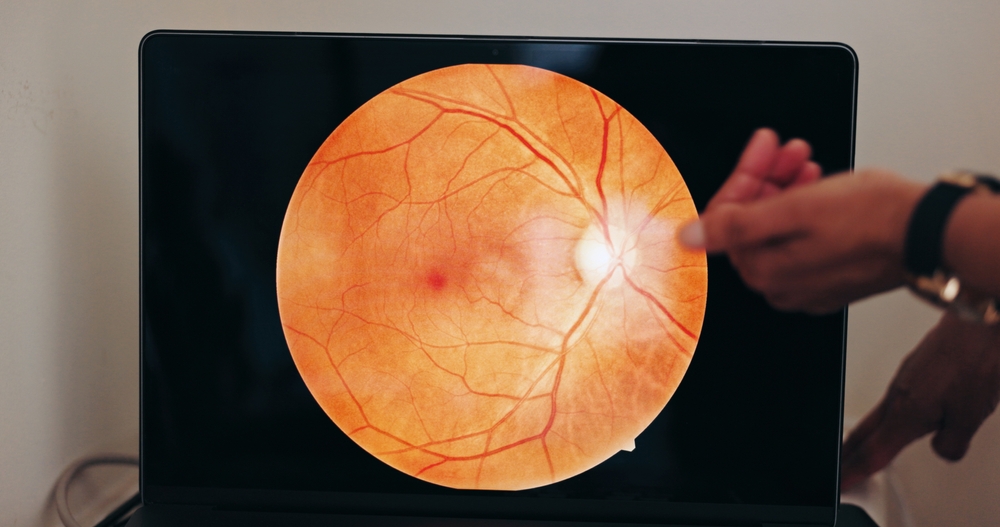
Your eyes can reveal far more than just how well you see. Many serious eye diseases develop silently in the back of the eye long before noticeable symptoms appear. At Palo Alto Eyes Optometry, we use Optomap technology as part of our comprehensive eye exams to help protect both your vision and your overall health.
What Is an Optomap Retinal Exam?
An Optomap retinal exam is a non-invasive imaging test that captures up to 200 degrees of the retina in a single image, far more than traditional retinal photography. This wide-field view allows your optometrist to examine areas of the retina that are often difficult to see during a standard eye exam. Unlike traditional dilation, Optomap imaging is quick, comfortable, and typically does not require eye drops, making it ideal for patients of all ages.
Diabetic Retinopathy
Diabetic retinopathy is a leading cause of vision loss and often has no early symptoms. Optomap imaging can detect:
Retinal bleeding or microaneurysms
Swelling caused by leaking blood vessels
Early changes related to diabetes
Early detection is critical for preventing permanent vision damage.
Glaucoma
Glaucoma damages the optic nerve and can progress without noticeable vision loss until later stages. Optomap helps identify:
Changes to the optic nerve head
Early structural abnormalities
Signs of peripheral retinal damage
This information supports early diagnosis and ongoing monitoring.
Macular Degeneration
Age-related macular degeneration (AMD) affects central vision and is a common cause of vision loss in adults over 50. Optomap imaging can reveal:
Drusen deposits
Retinal pigment changes
Early macular abnormalities
Detecting AMD early allows for better long-term vision management.
Retinal Tears and Detachments
Peripheral retinal tears and detachments can lead to sudden vision loss if untreated. Optomap can detect:
Retinal holes or thinning
Areas of lattice degeneration
Early detachment risks
Identifying these issues early can help prevent emergencies.
Signs of Systemic Health Conditions
Because the retina shares blood vessels with the rest of the body, Optomap imaging may reveal signs linked to:
Diabetes
High blood pressure
Autoimmune conditions
Neurological disorders
In some cases, an eye exam can be the first indicator of a larger health issue.
Who Should Get an Optomap Retinal Exam?
An Optomap retinal exam is recommended for:
Adults and children during routine eye exams
Patients with diabetes or high blood pressure
Those with a family history of eye disease
Individuals experiencing flashes, floaters, or vision changes
Even patients with perfect vision can benefit from retinal imaging as part of preventive eye care.
Schedule Your Comprehensive Eye Exam with Optomap Retinal Exam Today
Many serious eye conditions develop without warning, but early detection can make all the difference. An Optomap retinal exam provides a detailed, wide-field view of your retina, allowing your optometrist to identify eye diseases and health concerns before symptoms appear. By incorporating this advanced imaging technology into routine eye exams, Palo Alto Eyes Optometry helps patients protect their vision and long-term eye health.
Contact Palo Alto Eyes Optometry to schedule your comprehensive eye exam with Optomap retinal imaging and take a proactive step toward preserving your vision for years to come. Visit our office in Palo Alto, California, or call (650) 321-2015 to book an appointment today.


© 2026 Palo Alto Eyes Optometry | All Rights Reserved | Accessibility Statement | Privacy Policy | Sitemap
Powered by

