
What to Expect at a Specialty Contact Lens Fitting in Palo Alto (Process, Timeline, and Costs)

What to Expect at a Specialty Contact Lens Fitting in Palo Alto (Process, Timeline, and Costs)

What to Expect at a Specialty Contact Lens Fitting in Palo Alto (Process, Timeline, and Costs)

What to Expect at a Specialty Contact Lens Fitting in Palo Alto (Process, Timeline, and Costs)

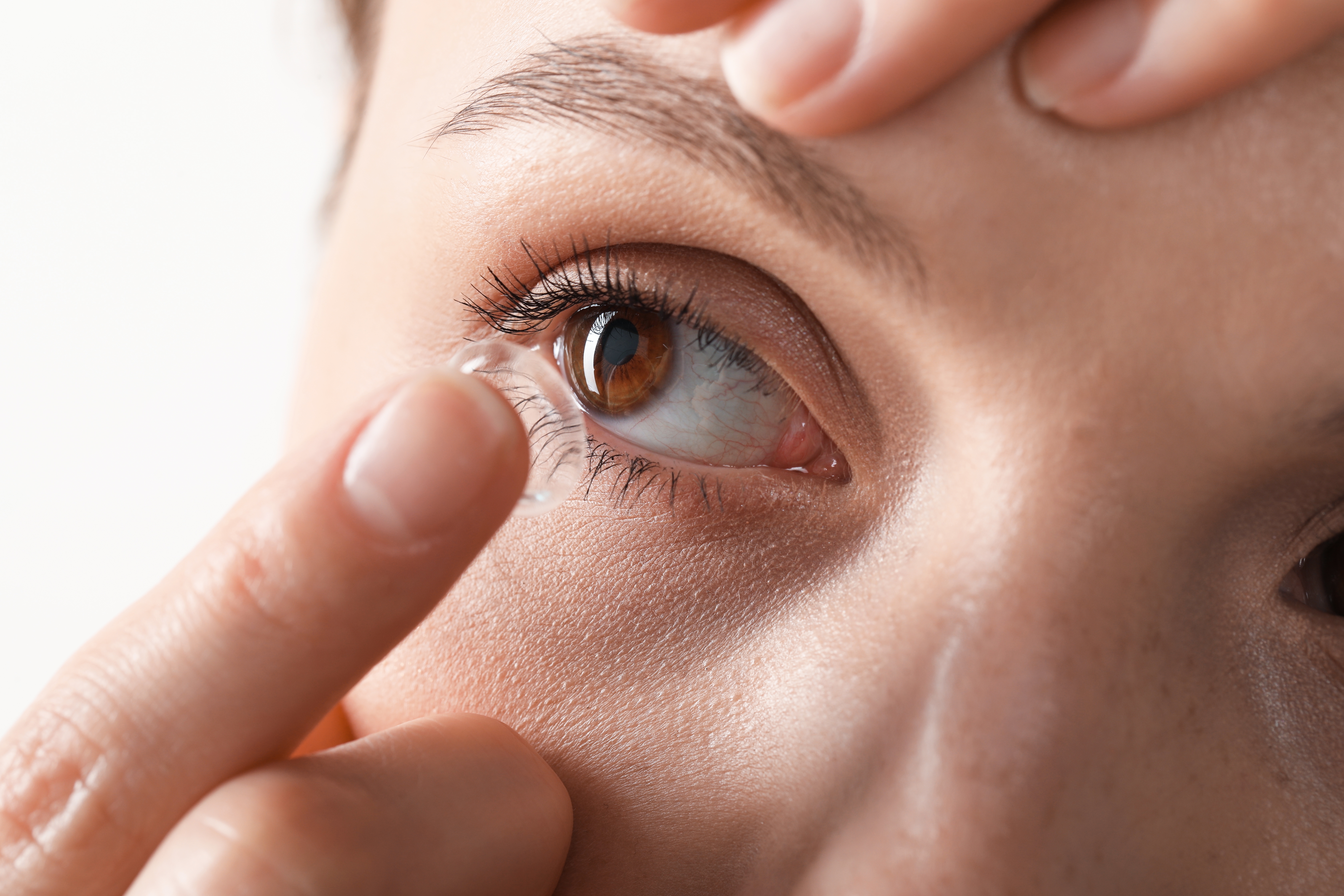
Standard soft contact lenses work well for many people, but they are not the right solution for every eye. Keratoconus, severe dry eye, irregular astigmatism, previous corneal surgery, and other complex conditions may require a lens designed around the unique shape and needs of your eyes.
At Palo Alto Eyes Optometry, we provide specialty contact lens fittings for patients who need more customized vision correction. Because these lenses require precise measurements and careful follow-up, the fitting process is more detailed than a routine contact lens appointment.
Step 1: Comprehensive Eye and Vision Evaluation
A specialty contact lens fitting begins with an evaluation of your prescription, eye health, cornea, tear film, and visual needs.
Your Palo Alto optometrist will also discuss previous contact lens experiences, comfort concerns, medical history, and how you plan to use your lenses. Someone with keratoconus may need a different lens design than a patient seeking relief from severe dry eye.
This initial evaluation helps determine which specialty lens is most appropriate.
Step 2: Measuring Your Eyes
Specialty lenses are designed to fit more precisely than conventional contacts. Detailed measurements of the cornea and surrounding structures help guide the lens design.
Depending on your needs, specialty options may include:
- Scleral lenses that vault over the cornea and rest on the sclera
- Rigid gas permeable lenses for irregular corneas or high astigmatism
- Hybrid lenses combining a rigid center with a softer outer portion
- Ortho-K lenses worn overnight to temporarily reshape the cornea
- Customized lenses for post-surgical or otherwise complex corneas
Palo Alto Eyes Optometry also offers advanced scleral lens technology for patients with keratoconus and other irregular corneal conditions.
Step 3: Trying Diagnostic Lenses
In many specialty fittings, diagnostic lenses are placed on the eyes so your optometrist can evaluate how they fit and how well you see.
A lens may need adjustments to its size, curvature, prescription, or other design characteristics before the final version is ordered. The goal is not simply to make vision clearer. The lens must also sit appropriately on the eye and support long-term ocular health.
Scleral lens patients will also learn how to fill, insert, remove, clean, and store their lenses correctly.
How Long Does the Process Take?
Specialty contact lens fitting is usually a process rather than a single appointment.
After the initial evaluation and measurements, a customized lens may need to be ordered. Once it arrives, you return to have the fit and vision checked. Additional adjustments or another lens order may sometimes be necessary.
After receiving the final lenses, there can also be an adaptation period. Palo Alto Eyes Optometry notes that many specialty lens wearers become increasingly comfortable over the first one to two weeks, with fuller adaptation often occurring within two to four weeks.
Complex prescriptions or irregular corneas may require additional visits before the ideal fit is achieved.
How Much Do Specialty Contact Lenses Cost?
There is no single price for every specialty contact lens fitting. Costs depend on the complexity of the eye condition, the type of lens prescribed, customization required, fitting time, and number of follow-up visits.
Your total cost may include the professional fitting fee as well as the lenses themselves. Insurance coverage also varies. Some vision or medical plans may provide benefits depending on the diagnosis and whether the lenses are considered medically necessary.
Palo Alto Eyes Optometry can review benefits and payment options with you so you understand anticipated costs before moving forward.
Why Follow-Up Appointments Matter
Once you begin wearing specialty lenses, follow-up care helps confirm that your vision remains clear and the lenses continue fitting safely.
Your optometrist can also make adjustments if you experience redness, discomfort, fluctuating vision, or difficulty wearing the lenses for the recommended amount of time.
If standard contacts have not provided the vision or comfort you need, schedule a specialty contact lens fitting with Palo Alto Eyes Optometry at 540 University Ave., Suite 110, Palo Alto, CA 94301, or call (650) 321-2015 to explore a customized lens option for your eyes.


© 2026 Palo Alto Eyes Optometry | All Rights Reserved | Accessibility Statement | Privacy Policy | Sitemap
Powered by

